
Best Solar Generators by Use Case | Home, Apartment, RV & Backup Power Guide
Find the right backup power system for your home, apartment, RV, or emergency kit
Not every solar generator is built for the same job. Some are designed to keep a phone and Wi-Fi running in a small apartment, while others can scale into whole-home backup for extended outages. This guide groups solar generators by real-world use case, so you can compare practical power levels, recharge options, and system types without getting lost in technical jargon.
How to Use This Guide
This page is organized by real-world use cases, not brand rankings. Each section explains what that category of solar generator is designed to do, who it works best for, and where the limits are. Use it to narrow your options first, then compare specific models once you know what type of system fits your home or lifestyle.
Find Your Best Starting Point
- Best whole-home platform: EcoFlow DELTA Pro 3 – expandable 240V system for multi-circuit home backup
- Best for most homes: EcoFlow DELTA 2 Max – balanced power for fridge, Wi-Fi, and daily essentials
- Best apartment option: Jackery 1000 Plus – compact, quiet backup for renters and small spaces
- Best value pick: BLUETTI AC200L – strong output at a lower price point
- Best high-output alternative: Anker SOLIX F3800 – premium power for demanding loads
How We Evaluate Solar Generators
We evaluate solar generators using a research-based, real-world framework focused on safety, performance, and long-term reliability. Instead of paid rankings or sponsored placements, we compare manufacturer specifications, verified user feedback, independent reviews, and electrical best practices to understand how each system performs in actual outage and off-grid scenarios.
We also reference independent battery research on lithium battery lifespan and charging best practices from Battery University and electrical safety guidance from the Electrical Safety Foundation International when evaluating long-term reliability and safe home use.
What We Look At:
🔹Continuous AC watts vs surge watts
🔹 Battery capacity (Wh) and expansion options
🔹 Expandability and long-term upgrade paths
🔹 Maximum solar input and recharge time
🔹 Safety features, certifications, and thermal management
🔹 Voltage support (120V vs 240V)
🔹 Port selection for real-world use (RV, medical, home circuits)
Whole-Home Capable Solar Generators (240V Systems)
These systems are designed for homeowners who want more than basic outage protection. Whole-home capable solar generators support both 120V and 240V power and can scale with additional batteries or home integration equipment to run multiple circuits or large appliances.
For broader home energy planning and outage preparedness, we follow guidance from the U.S. Department of Energy on residential backup power systems.
Who This Is For (and Who It’s Not)
- Good fit if you:
- Want to run large appliances like well pumps, electric dryers, or multi-circuit panels
- Live in an area with frequent or long outages
- Plan to expand your system over time
- Skip this category if you:
- Only need to keep a fridge, Wi-Fi, and phones running
- Live in an apartment or rental
- Want something lightweight and portable
Quick Comparison Summary
| Model | Base Battery | AC Output | 120V/240V | Expandable | Typical Price |
|---|---|---|---|---|---|
| EcoFlow DELTA Pro 3 | ~4 kWh base | ~4 kW | ✔️ | Yes | ~$1.8 k–$2.7 k+ |
| Anker SOLIX F3800 | ~3.84 kWh | ~6 kW | ✔️ | Yes | ~$3.5 k |
| Jackery Explorer 5000 Plus | ~5 kWh | Split-phase | ✔️ | Some options | ~$4.9 k–$5.7 k |
EcoFlow DELTA Pro 3
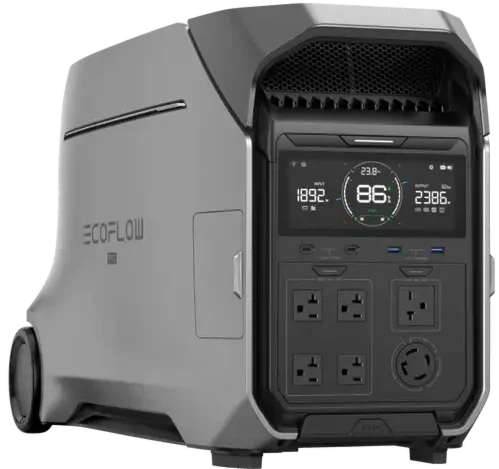
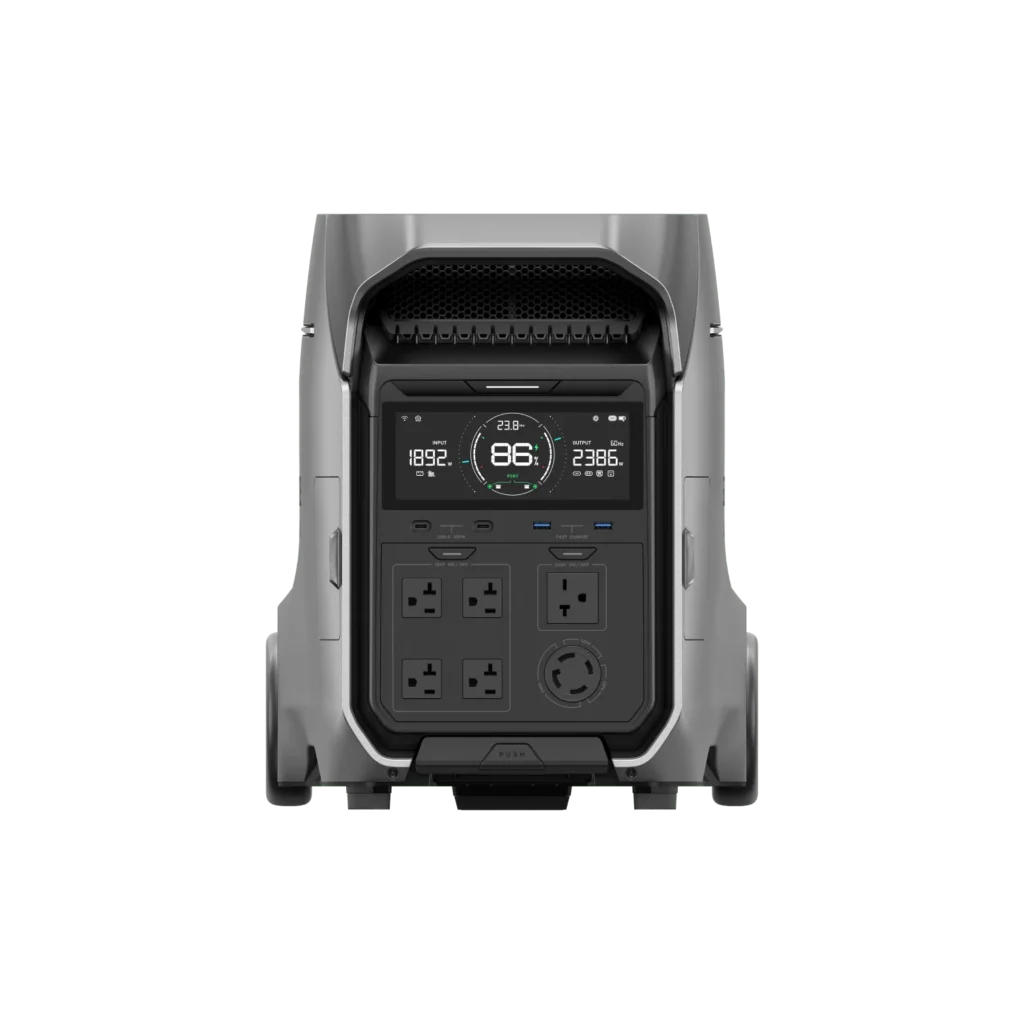
The DELTA Pro 3 is a flagship home backup system with a ≈4,096 Wh base capacity that’s expandable up to dozens of kWh, making it strong for multi-circuit backup. It offers both 120 V and 240 V outputs and robust surge handling for heavy loads.
Price: $1,839–$2,750+ for the base unit, depending on retailer and current promos.
Pros:
- Flexible 120 V/240 V output suitable for large appliances and home circuits.
- Expandable capacity, letting you add extra batteries as needs grow.
- Fast switching (≈10 ms) protects sensitive electronics during outages.
- Strong overall ecosystem and established support/plugins for home backup.
Cons:
- Heavy and somewhat bulky — better for semi-permanent garage/basement placement.
- Cost climbs quickly once you add batteries, transfer switches, and panels.
- May not handle multiple simultaneous peak loads as well as higher-output rivals without expansion.
Good For:
- Homeowners who want one of the most expandable “portable” whole-home backup foundations.
- Families planning to back up multiple circuits and large appliances without installing a permanent system right away.
Anker SOLIX F3800
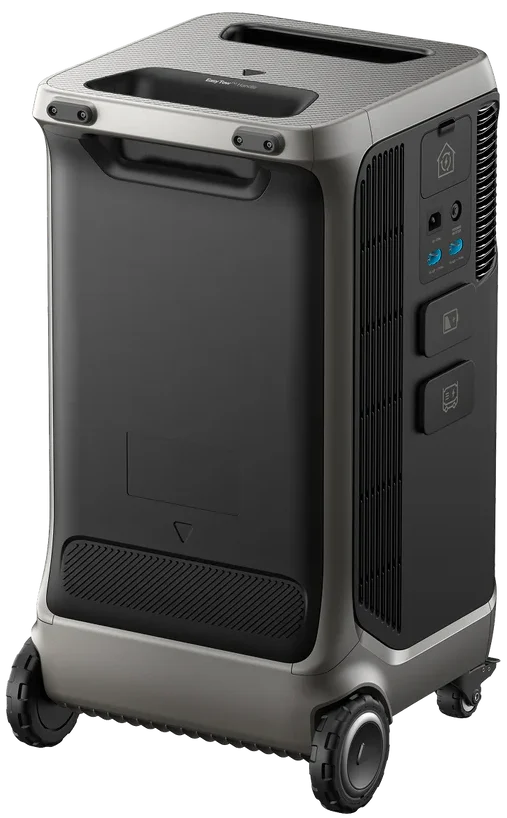
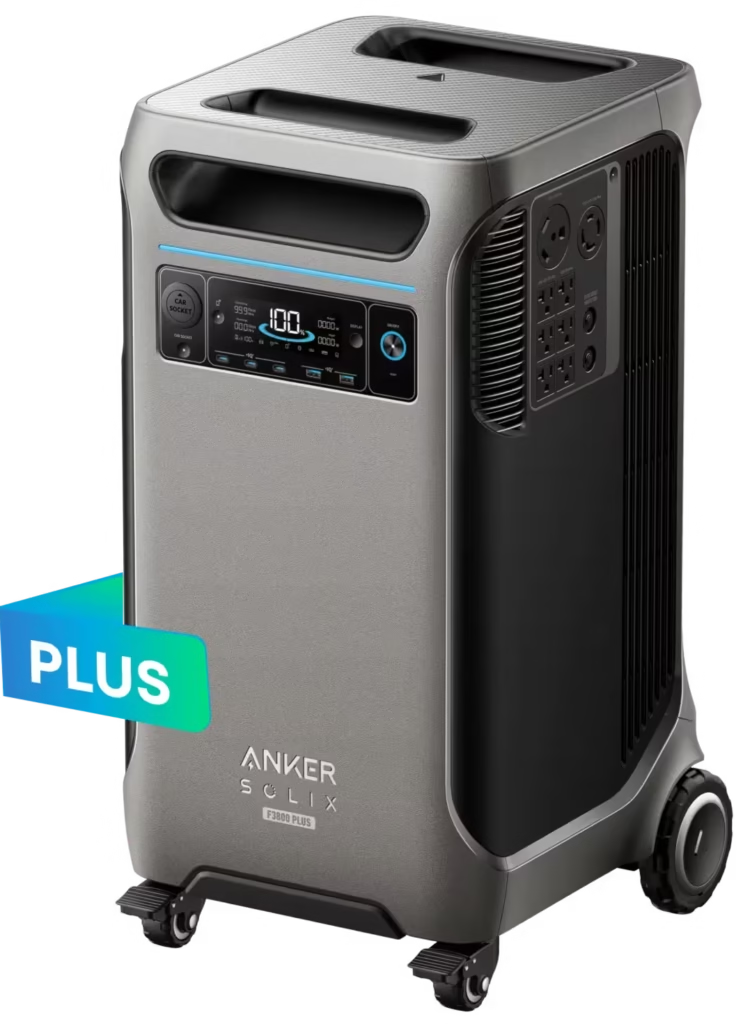
The SOLIX F3800 is a high-output generator with ≈3.84 kWh base battery and a 6,000 W AC inverter capable of powering demanding appliances and circuits. It supports 120 V/240 V split-phase output and can be expanded to larger capacity with extra batteries.
Price: $3,499.
Pros:
- Very high continuous output (6,000 W) — especially good if you need to run multiple heavy loads at once.
- High solar input potential allows faster recharge during sunny days.
- Good app monitoring and remote control.
- Expandable capacity with extra batteries up to very large backup arrays.
Cons:
- Price sits above many base units; expansion adds more cost.
- Still large and heavy — not a grab-and-go option.
- Slightly less base battery capacity than some competitors if bought without expansion.
Good For:
- Homes with higher simultaneous load needs (e.g., multiple appliances, well pumps, HVAC).
- People who want fast solar recharge and strong peak output.
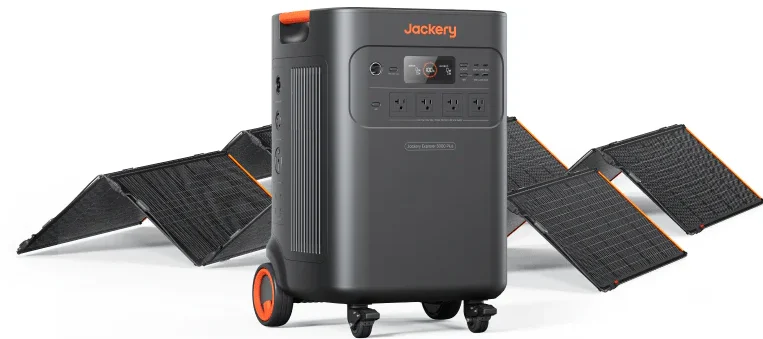
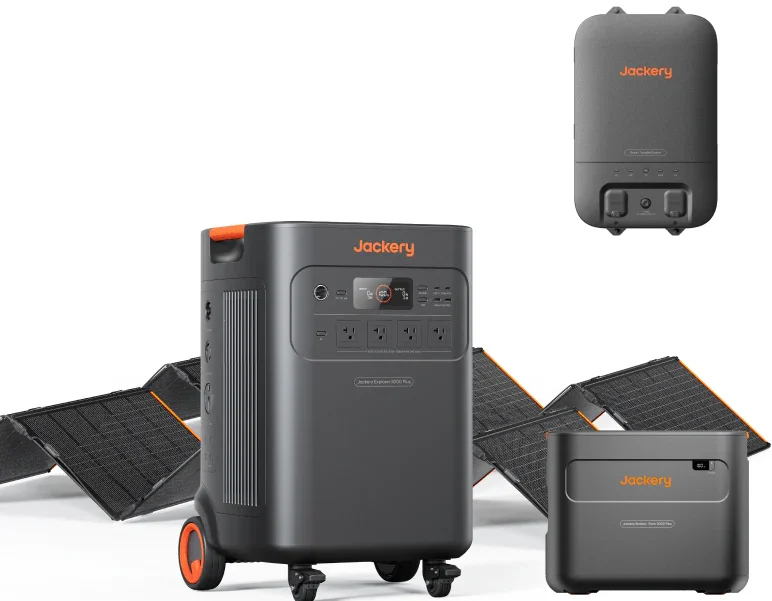
Jackery Explorer 5000 Plus
The Jackery Explorer 5000 Plus is positioned as a high-capacity, whole-home capable unit with split-phase support and large built-in storage (~5 kWh). It’s designed to keep critical circuits running through extended outages.
Price: $4,899–$5,699+ (varies by retailer).
Pros:
- Large base battery (≈5 kWh) without needing immediate expansion for everyday outages.
- Split-phase support makes it suitable for both 120 V and 240 V circuits.
- Dedicated options like smart transfer switches can simplify home integration (often bundled under alternate SKUs).
Cons:
- Higher price than many competitors for similar specs.
- Slightly less efficient surge handling in some reviews.
- App/ecosystem experience is decent but not always as polished as rivals (varies by reviewer).
Good For:
- Homeowners wanting a big battery right out of the box with fewer immediate add-ons.
- Those who prefer a higher base capacity for extended outages without modular expansion.
Best for Most Homes (Fridge + Essentials Backup)
These systems are designed to keep everyday essentials running during power outages — refrigerators, Wi-Fi, phones, lights, and small kitchen appliances. They offer the best balance of capacity, portability, recharge speed, and cost for most households without the complexity of full 240V home integration.
Who This Is For (and Who It’s Not)
Good fit if you:
- Want to keep food cold, internet online, and devices charged during outages
- Use standard 120V household appliances
- Want something powerful but still movable and solar-friendly
Skip this category if you:
- Need 240V for well pumps, HVAC, or electric dryers
- Live in a small apartment with limited storage space
- Want a system that can back up multiple home circuits at once
Optional Quick Comparison Table
| Model | Base Capacity | Expandable | Solar Input | Voltage | Typical Price |
|---|---|---|---|---|---|
| EcoFlow DELTA 2 Max | ~2 kWh | Yes | Up to ~1000W | 120V | $1,600–$2,100 |
| BLUETTI AC200L | ~2 kWh | No | Up to ~1200W | 120V | $900–$1,300 |
| Jackery 2000 Plus | ~2 kWh | Yes | High (Jackery ecosystem) | 120V | $1,900–$2,500 |
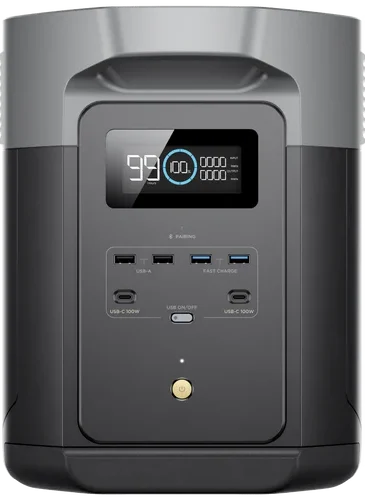
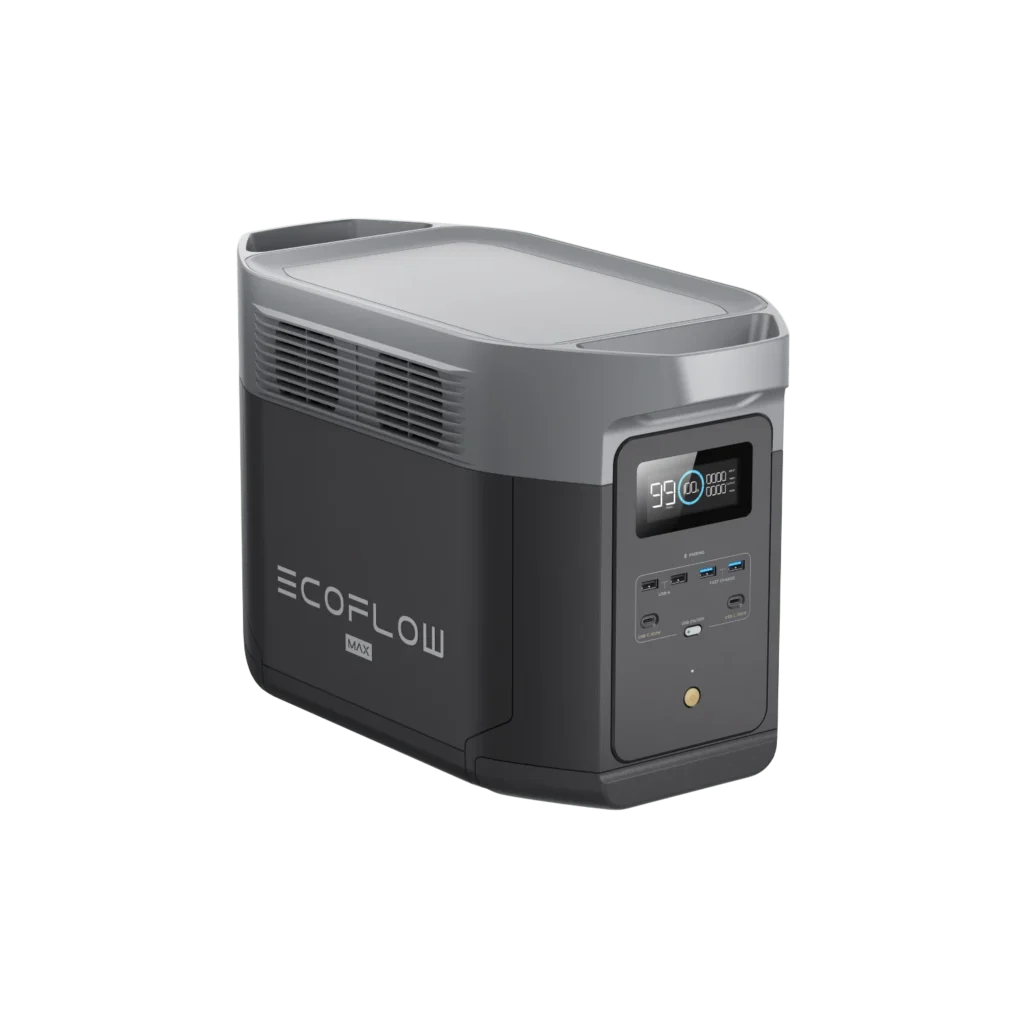
EcoFlow DELTA 2 Max
Balanced, fast-charging system for everyday home backup
Typical Price: $1,600–$2,100
The DELTA 2 Max sits in the “sweet spot” between portability and serious backup power. With around 2 kWh of capacity (expandable) and high AC output, it can comfortably run a refrigerator, router, lighting, and small kitchen appliances for hours or days depending on load. Its fast wall and solar charging make it especially practical for storm season and multi-day outages.
Pros:
- Strong output for fridges, microwaves, and power tools
- Fast solar and AC recharge options
- Expandable battery system for longer runtimes
- Clean app and simple monitoring
Cons:
- No 240V support
- Add-on batteries raise the total system cost quickly
- Heavier than apartment-class systems
Best For:
Homeowners and townhome residents who want reliable, everyday outage protection without moving into full whole-home systems.
Helpful Notes:
- Pairing this with 800–1000W of solar panels can significantly extend fridge and device runtime during sunny outages.
- Works well with heavy-duty extension cords or power strips for “room-based” backup setups.
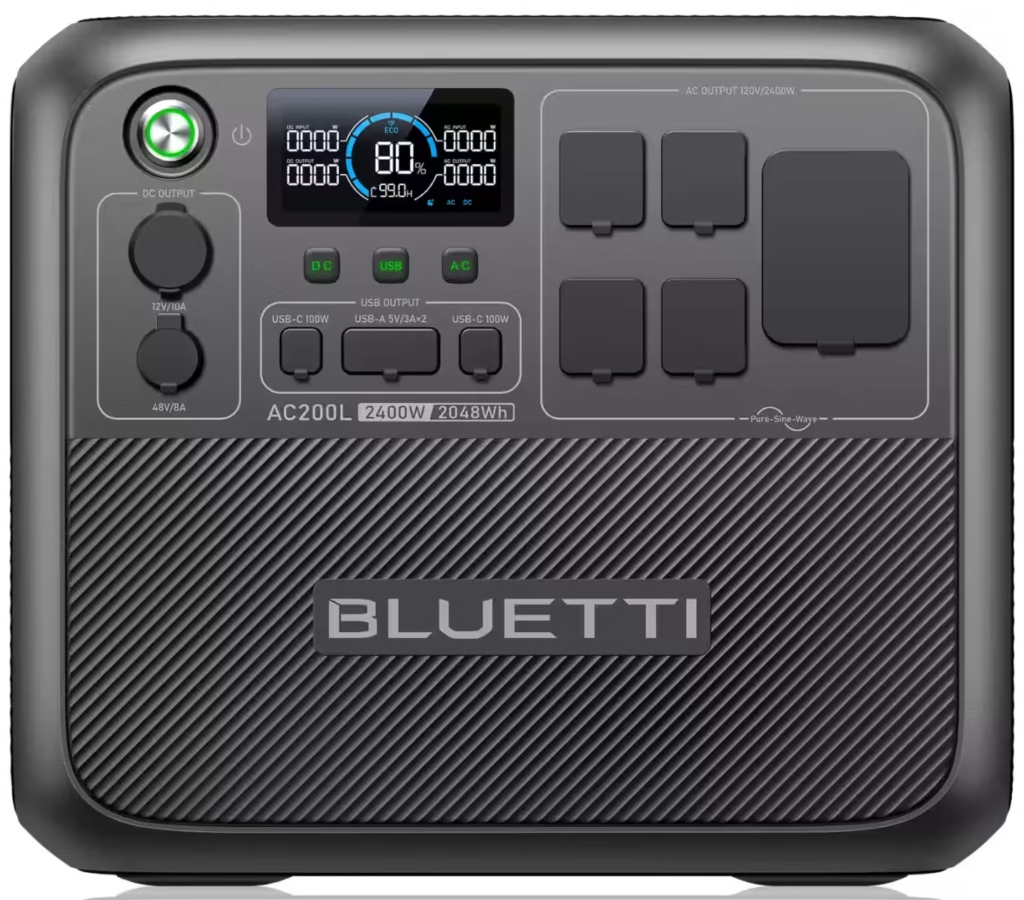
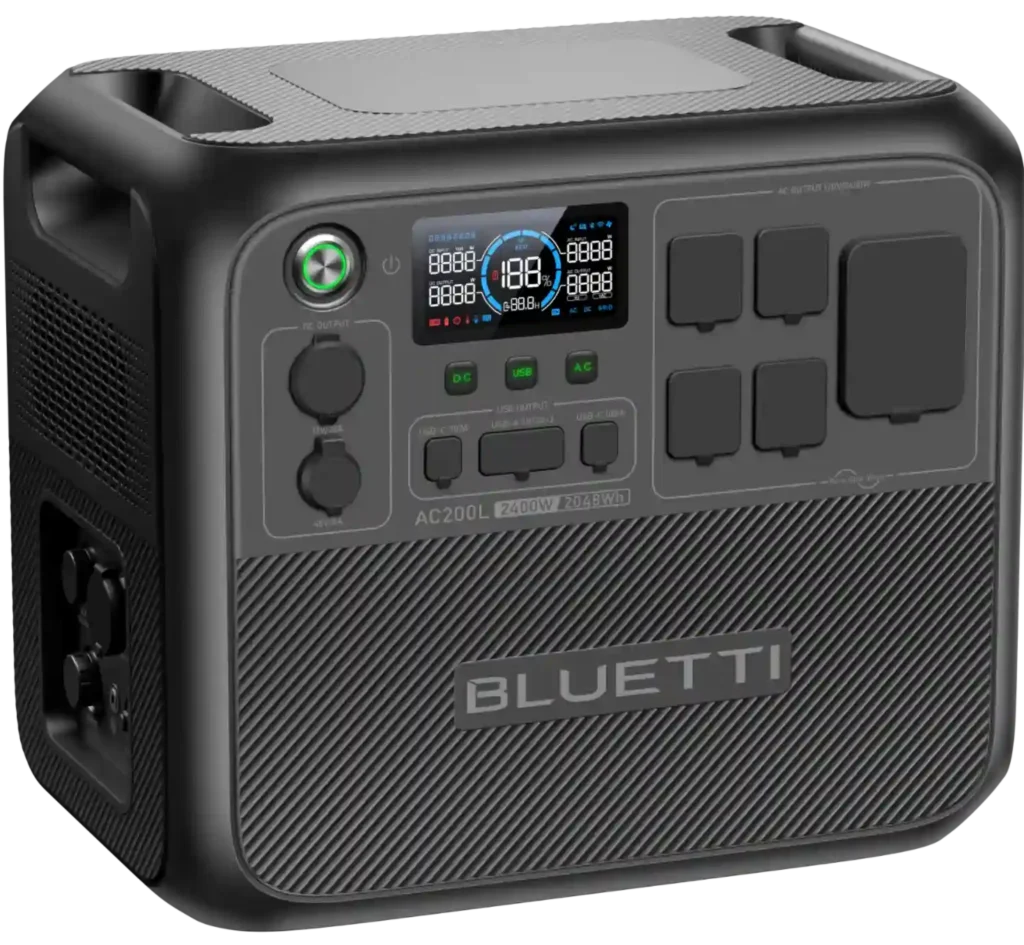
BLUETTI AC200L
Best value pick for strong home essentials backup
Typical Price: $900–$1,300
Overview:
The AC200L delivers impressive performance for its price class. With about 2 kWh of capacity and strong inverter output, it can run refrigerators, freezers, and multiple small appliances at the same time. It’s a popular choice for buyers who want real backup capability without paying premium-brand pricing.
Pros:
- Excellent price-to-power value
- Strong continuous output for home essentials
- High solar input for faster daytime recharging
- RV-friendly ports for dual-use flexibility
Cons:
- Heavy for frequent moving
- App and interface are more basic
- Not expandable to whole-home scale
Best For:
Budget-minded households who still want serious backup power for food, lighting, and communication during outages.
Helpful Notes:
- This is a good fit for garage or utility-room placement rather than indoor “carry-around” use.
- Works well for people who want a home + RV hybrid system.
Jackery Explorer 2000 Plus
Expandable, brand-friendly option with clean design
Typical Price: $1,900–$2,500
Overview:
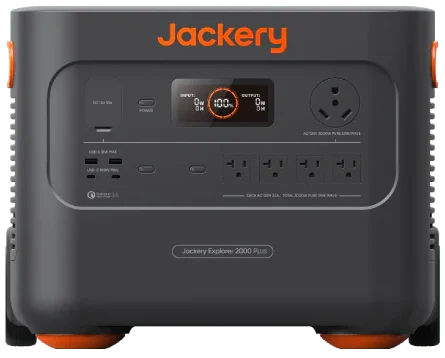
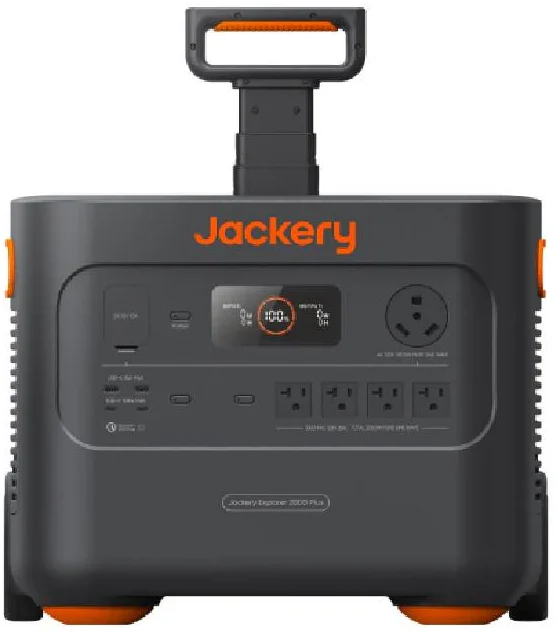
The 2000 Plus offers around 2 kWh of base capacity and a modular battery system that can grow as your needs change. It’s known for its simple interface, quiet operation, and wide availability of compatible solar panels and accessories.
Pros:
- Expandable battery system
- Reliable solar pairing with Jackery panels
- Beginner-friendly design and setup
- Quiet, clean indoor operation
Cons:
- Premium pricing compared to similar-power competitors
- Expansion batteries add significant cost
- No 240V support
Best For:
Families who want a clean, expandable system from a well-known brand with simple operation and long-term support.
Helpful Notes:
- A good option if you plan to start small and grow over time.
- Works well in homes where ease of use matters more than maximum value.
Apartment and Small-Space Backup
These systems are designed for renters, apartments, and small homes where space, noise, and simplicity matter most. They focus on quiet operation, safe indoor use, and enough power for essentials like Wi-Fi, phones, medical devices, fans, and small appliances.
Who This Is For (and Who It’s Not)
Good fit if you:
- Live in an apartment, condo, or rental with limited storage space
- Want clean, quiet backup for electronics and small appliances
- Need reliable power for medical devices like CPAP machines or oxygen concentrators
Skip this category if you:
- Want to run a full-size refrigerator for long periods
- Need to power multiple rooms or heavy kitchen appliances
- Have space for a larger, garage-style backup system
Optional Quick Comparison Table (Gray Data Box)
| Model | Base Capacity | Expandable | Solar Input | Best Use | Typical Price |
|---|---|---|---|---|---|
| Jackery 1000 Plus | ~1.2 kWh | Yes | Moderate | Medical devices, essentials | $1,000–$1,700 |
| Anker SOLIX C1000 | ~1 kWh | No | Moderate | Devices, short outages | $900–$1,200 |
| EcoFlow RIVER 2 Pro | ~0.8 kWh | No | Light | Budget, travel kits | $500–$700 |
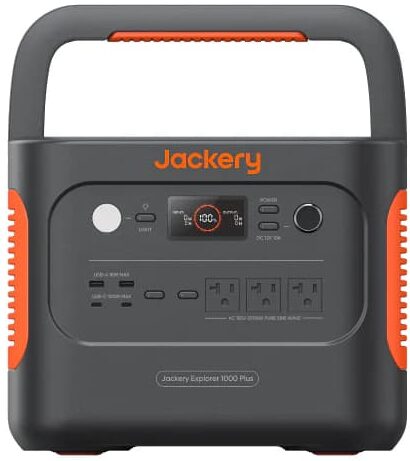
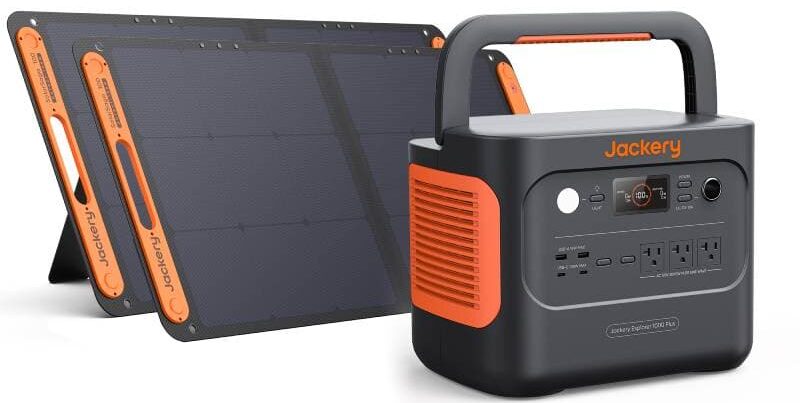
Jackery Explorer 1000 Plus
Expandable, quiet backup for renters and small homes
Typical Price: $1,000–$1,700
Overview:
The 1000 Plus offers around 1.2 kWh of base capacity with the option to expand later, making it a practical starting point for apartment backup. It’s quiet, easy to use, and well-suited for running Wi-Fi, phones, lights, small fans, and CPAP machines during short to medium outages.
Pros:
- Expandable battery system for longer runtimes
- Very quiet and safe for indoor use
- Simple solar pairing for window or balcony setups
- Beginner-friendly interface
Cons:
- Limited runtime for refrigerators or heaters
- Expansion batteries increase overall cost
- Not designed for high-wattage kitchen appliances
Best For:
Renters and apartment residents who want clean, reliable power for essentials and medical devices without dealing with large, heavy systems.
Helpful Notes:
- A 200–400W solar panel setup on a balcony or window can help maintain phone, router, and light usage during multi-day outages.
- Always check building rules for outdoor panel placement.
Anker SOLIX C1000
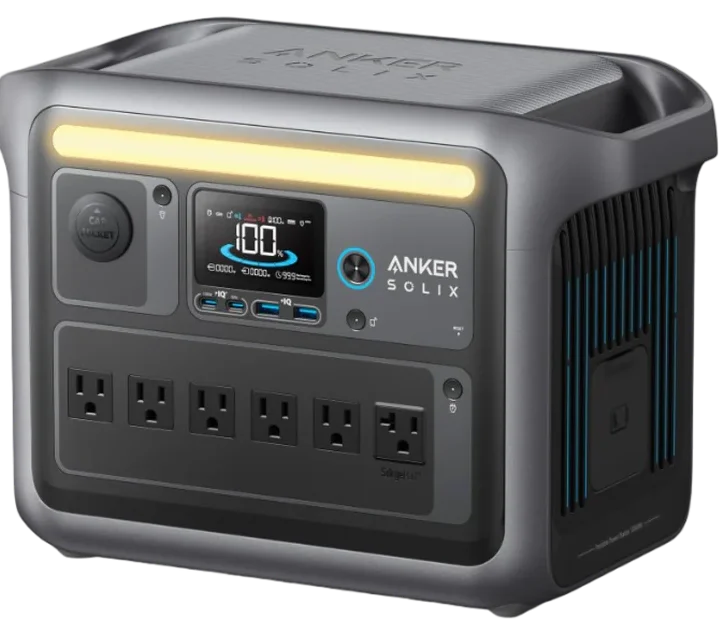
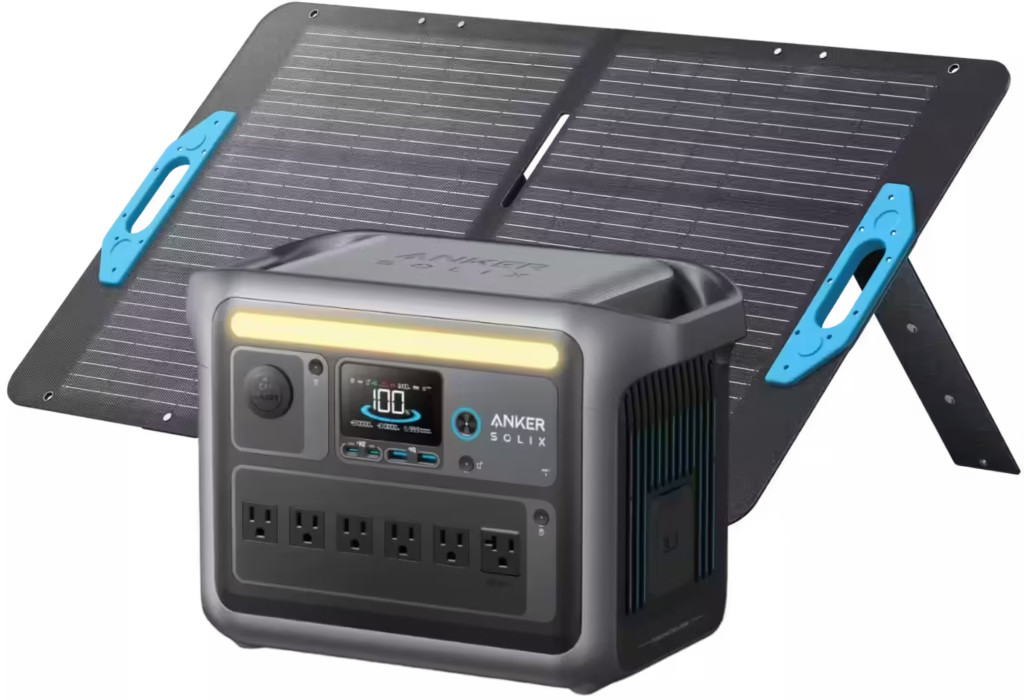
Compact, grab-and-go backup for everyday electronics
Typical Price: $900–$1,200
Overview:
The C1000 is built for portability and simplicity. With about 1 kWh of capacity, it’s ideal for short outages, device charging, and small appliance use. Its clean design and manageable weight make it easy to store in closets or carry between rooms.
Pros:
- Compact and portable
- Quiet indoor operation
- Supports moderate solar input for daytime top-ups
- Clean app monitoring
Cons:
- Shorter runtime than expandable systems
- Not suitable for fridges or power-hungry appliances
- Limited upgrade path
Best For:
Urban homes, dorms, and travel use where space and portability matter more than long runtime.
Helpful Notes:
- Works well as a “personal power station” for work-from-home setups during brief outages.
- Pair with a small folding solar panel for travel and emergency kits.
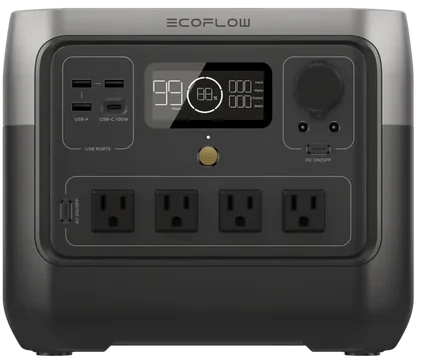
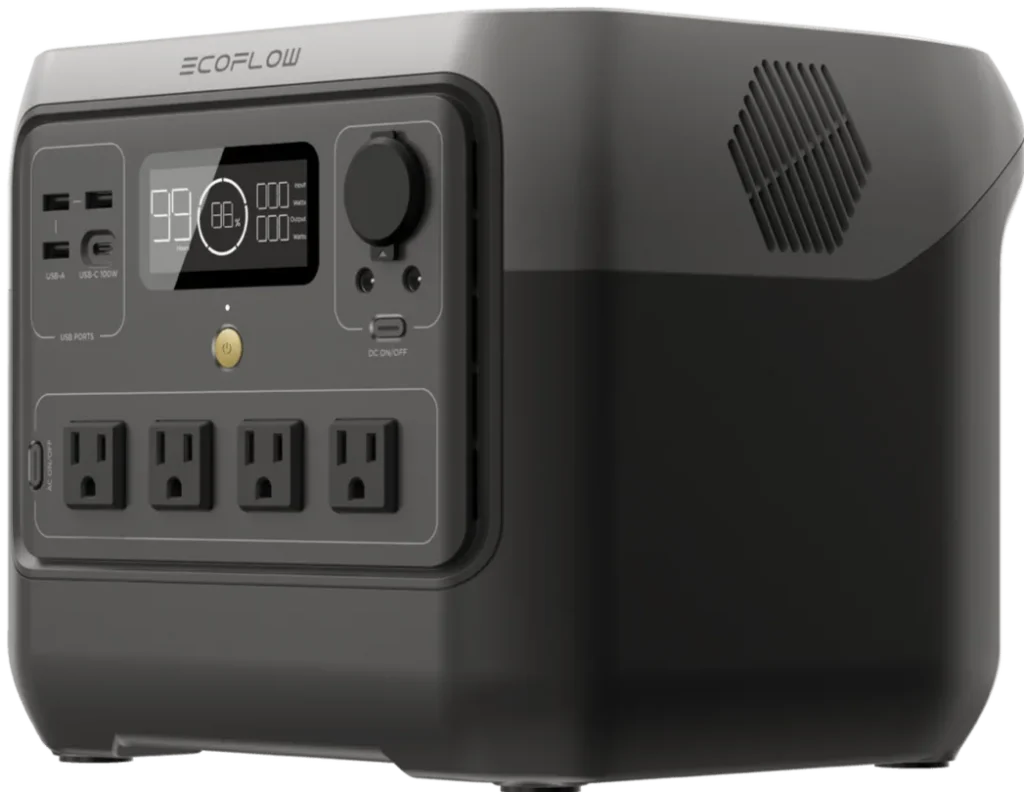
EcoFlow RIVER 2 Pro
Lightweight, budget-friendly option for basic backup
Typical Price: $500–$700
Overview:
The RIVER 2 Pro is one of the most portable systems in this category. With a smaller battery and fast AC charging, it’s built for quick-response power rather than long runtimes. It’s great for keeping phones, laptops, lights, and routers online when the grid drops.
Pros:
- Affordable entry point
- Very lightweight and easy to move
- Extremely fast wall charging
- Simple solar compatibility
Cons:
- Limited capacity for multi-hour appliance use
- Not expandable
- Best for personal electronics, not home appliances
Best For:
Students, renters, and emergency kits where portability and price are more important than runtime.
Helpful Notes:
- Ideal as a secondary backup even if you own a larger system elsewhere in the home.
- Great for storm kits and car-based emergency power.
RV and Travel Power Systems
RV and travel power systems are designed for life on the road — whether you’re camping, van-life exploring, or taking long road trips. These units combine portability, solar charging friendliness, and enough power to run small appliances, lights, and devices while you’re off-grid.
Who This Is For (and Who It’s Not)
Good fit if you:
- Want reliable power for RV appliances, fridges, fans, laptops, and devices
- Camp frequently and want quick solar recharge options
- Need a portable backup that doubles as roadside or campsite power
Skip this category if you:
- You need a full home backup system
- You have very high continuous loads (HVAC, well pumps, large appliances)
- You need 240V circuits in a travel setting
Optional Quick Comparison Table (Gray Data Box)
| Model | Base Capacity | Expandable | Solar Input | Best Use | Typical Price |
|---|---|---|---|---|---|
| BLUETTI AC200L | ~2 kWh | No | High | RV campsite power | $900–$1,300 |
| EcoFlow DELTA 2 Max | ~2 kWh | Yes | High | Dual travel + home | $1,600–$2,100 |
| Jackery Explorer 1000 Plus | ~1.2 kWh | Yes | Moderate | Portable travel power | $1,000–$1,700 |
BLUETTI AC200L
Versatile system for RVs with strong solar input and RV ports
Typical Price: $900–$1,300
Overview:
The AC200L is a popular mid-size power station in the RV community because it balances output, solar recharge capability, and price. With around ~2 kWh of capacity and high solar input potential, it can run RV fridges, lights, TVs, small microwaves, and USB devices throughout the day — especially when paired with a decent solar array.
Pros:
- RV-friendly ports and good inverter power
- High solar input for faster daytime recharging
- Strong performance for kitchen and entertainment devices
- Excellent value for campers and weekend warriors
Cons:
- Not a full home backup solution
- Heavy for frequent carry outside of RV use
- Lacks 240V support
Best For:
RVers, campers, and travel enthusiasts who want reliable campsite power with solar recharge.
Helpful Notes:
- Works well with 300–800W solar panels on RV roofs or portable setups.
- A dedicated 30A RV adapter cable makes setup at campgrounds smoother.
- To estimate how much power panels can realistically produce in your area, we reference solar output data from the National Renewable Energy Laboratory.
EcoFlow DELTA 2 Max
Hybrid choice for travel + home backup
Typical Price: $1,600–$2,100
Overview:
While also strong in the home backup category, the DELTA 2 Max doubles as a capable RV/travel station thanks to its high AC output and fast recharge times, both from AC and solar. Its robust inverter can handle small air conditioners and camping appliances in addition to typical travel gear.
Pros:
- High AC output for larger travel appliances
- Fast solar recharge — helpful at campgrounds and boondocking
- Expandable for longer trips
- Simple app and control
Cons:
- Larger and heavier than purely travel-focused units
- More expensive than some RV-only options
Best For:
RVers who also want a one-generator solution that covers both travel power and occasional home outage use.
Helpful Notes:
- Great when paired with solar panels in the 600–1000W range for quick daytime top-ups.
- Consider a dedicated RV power adapter for seamless campground hookup.
Jackery Explorer 1000 Plus
Portable powerhouse for travel, camping, and van life
Typical Price: $1,000–$1,700
Overview:
Compact, robust, and easy to move, the Explorer 1000 Plus is popular with campers and van lifers who want portable power that travels well. While smaller in capacity than some others in this category, its portability and reliable performance make it a solid choice for weekend trips and moderate energy needs.
Pros:
- Lightweight and easy to reposition around campsites
- Quiet and safe for enclosed spaces
- Compatible with easy solar panel pairings
- Expandable over time
Cons:
- Not ideal for high-draw devices over long periods
- Expansion adds cost
Best For:
Campers and van lifers who prioritize portability and flexibility over long continuous runtimes.
Helpful Notes:
- Pairing with 200–600W of solar helps keep devices charged during longer outdoor stays.
- Works especially well for charging laptops, phones, lights, fans, and small fridges.
Real-World Backup Scenarios
These examples show how different system types perform in everyday outages and off-grid situations. Actual runtimes depend on appliance efficiency, battery size, and how much solar input you have during the day.
12-Hour Storm Outage (Fridge + Essentials)
A mid-size home system like the EcoFlow DELTA 2 Max or BLUETTI AC200L can typically keep a modern refrigerator, Wi-Fi router, phones, and lighting running overnight. Adding daytime solar helps extend runtime and reduces the need for wall recharging once the grid returns intermittently.
Multi-Day Heatwave (Extended Backup)
Expandable platforms such as the EcoFlow DELTA Pro 3 or Anker SOLIX F3800 perform better in long outages because they can scale with extra batteries and support higher solar input. In this scenario, solar recharge capacity often matters more than peak inverter output.
Medical Device Backup (Quiet, Indoor Power)
Compact, stable systems like the Jackery 1000 Plus or Anker SOLIX C1000 are well-suited for CPAP machines, oxygen concentrators, and essential electronics. Their quiet operation and indoor-safe design make them practical for bedrooms and living spaces.
Apartment Blackout (Limited Space)
Lightweight systems such as the EcoFlow RIVER 2 Pro or Anker SOLIX C1000 prioritize fast wall charging, easy storage, and enough power for phones, laptops, routers, and small fans when space and portability matter more than long runtime.
Off-Grid Camping or RV Stay
Mid-size, solar-friendly systems like the BLUETTI AC200L or EcoFlow DELTA 2 Max work well for running RV fridges, lights, fans, and device charging. Pairing them with 300–800W of portable or roof-mounted solar panels helps maintain power throughout multi-day trips.
Home Circuit Backup (Well Pumps or 240V Loads)
For households that need to support 240V appliances, systems like the EcoFlow DELTA Pro 3, Anker SOLIX F3800, or Jackery 5000 Plus can be paired with a manual transfer switch or home integration panel to safely power selected circuits during extended outages.
Safety and Electrical Notes
For indoor use and home circuit connections, follow established generator safety and indoor electrical hazards guidance from the U.S. Consumer Product Safety Commission and recognized electrical safety and fire prevention standards. Always use a manual transfer switch or certified home integration panel when connecting a generator to home circuits, and use extension cords rated for the generator’s output
Frequently Asked Questions
Most portable solar generators are designed to power essential circuits, not an entire home at once. Whole-home capable systems can support large appliances and multiple circuits, but full-house coverage usually requires load planning, expansion batteries, and a transfer switch or home panel.
120V systems power standard outlets and appliances like fridges, TVs, and lights.
240V systems can run well pumps, electric dryers, and some HVAC components, which is why they’re labeled “whole-home capable.”
That depends on what you’re running and how long you need power. As a rough guide:
Apartments and small systems: 200–400W
Home essentials: 600–1000W
Whole-home systems: 1200W+
Your goal is to match your daily energy use (Wh) with how much sunlight you get.
Yes. Unlike gas generators, solar generators do not produce fumes and are safe for indoor use. Always follow the manufacturer’s temperature and ventilation guidelines and avoid blocking cooling vents.
Most home-class systems can run a modern fridge 12–48 hours depending on battery size, fridge efficiency, and whether you’re adding solar during the day.
You should never backfeed through a wall outlet. To safely connect a generator to home circuits, use a manual transfer switch or a compatible home integration panel installed by a qualified electrician.
Most solar generators work with standard portable or roof-mounted panels as long as the voltage and connector type match the system’s input specifications.
🔗 Read Me Next
If you want to go deeper into planning, sizing, or building a complete backup setup, these guides walk you through the next step.
Start Here – Backup Power Basics
For readers who want a visual, beginner-friendly walkthrough of how backup power systems work and how to size them safely.
Portable Power Stations for Beginners
Deeper technical guide covering batteries, inverters, ports, and real-world performance.
Emergency Power Kit Checklist
Step-by-step checklist for building a practical storm and outage-ready power kit.