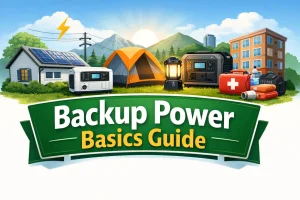
Backup Power Basics: Start Here Guide for Homes, Apartments & Emergencies
Learn how backup power works, compare your options, and choose the right setup for your home, apartment, or emergency needs – all in one simple starting point.
Understand Your Options
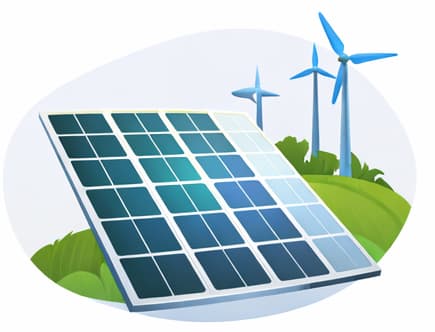
Learn the difference between portable power stations, solar generators, and whole-home backup systems. See what each can realistically power and when it makes sense to move up to a larger solution.
→ Compare backup power types
Build Your Knowledge
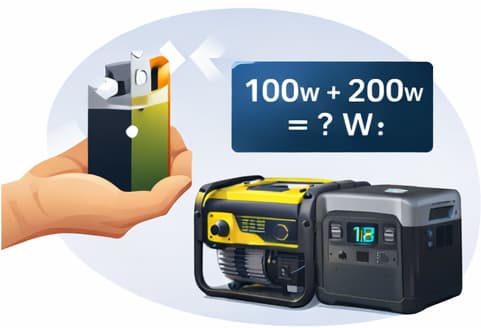
Understand the basics that matter most, like watts vs watt-hours, battery types, and inverter sizing. Estimate runtime, avoid unsafe setups, and feel confident reading product specs.
→ Learn how power stations work
→ Battery Capacity Explained
Make an Informed Choice
Follow clear sizing steps and comparisons to understand what actually fits your home, apartment, or medical needs. Learn what matters before looking at specific models.
→ See beginner-friendly picks
→ Solar Generators for Home Backup
Backup Power Basics
What Are Your Backup Power Options?
Understand the key differences to get a clear idea of what might be best suited for your needs
I Need Backup for
My Home
Quiet, flexible backup power for outages. Ideal for apartments, renters, and essential devices.
🟢 Powers lights, internet, and small appliances
🟢 Safe for indoor use and overnight operation
🔴 Not for full-home generator systems or 240V setups
→ Explore Solar Generators for Home Backup
I Need Backup for Camping or Emergencies
Portable, flexible power for outdoor use, storm prep, and short-term emergencies where mobility and solar charging matter most.
🟢 Easy to transport and quick to set up
🟢 Works with solar panels and car charging
🔴 Not designed for running an entire home
→ Explore Camping/Emergency Backup
I Need an Easy Backup Solution
Simple, plug-and-play backup power for beginners who want safe, quiet energy without learning complex systems.
🟢 Just plug in and press power
🟢 Great for CPAP machines, laptops, and routers
🔴 Not for high-watt tools or whole-home loads
→ Explore Easy Backup Solutions
Who This Guide Is For
✅Apartment and rental residents needing indoor-safe backup power
✅ People who rely on CPAP or essential medical devices
✅ Beginners who want simple, quiet, plug-and-play solutions
✅ Households preparing for short outages and storms
Who This Guide Is NOT For
❌Homes needing a permanent whole-home generator system
❌ Users who require 240V split-phase power
❌ High-watt tools or heavy-duty workshop setups
❌ Advanced solar system designers and installers
What Actually Matters (Quick Overview)
- Battery size (Wh) = how long it runs
- Output (W) = what you can power
- Solar support = ability to recharge
👉 Learn the full breakdown here:
➡ Portable Power Stations for Beginners
➡ Battery Capacity Explained
How People Actually Use Portable Power Stations
Here are common, real-world ways beginners use backup power systems at home, in apartments, and during short outages.
🏠 Home & Apartment Backup
- Keep internet, phones, and lights running during outages
- Run a CPAP or medical devices overnight
- Power a fridge intermittently to protect food
🌧️ Emergency & Storm Prep
- Charge radios and phones during extended blackouts
- Run fans or small heaters in safe, limited use
- Maintain lighting and communication during storms
🌲Off Grid & Portable Use
- Solar-powered charging for camping or remote work
- Power laptops, cameras, and small tools
- Quiet energy for parks and campsites
Use the interactive power + solar sizing calculator below to estimate battery size, inverter wattage, and solar recharge time for your setup.
Power Station + Solar Sizing Calculator
Estimate battery size (Wh), suggested inverter watts (with surge headroom), and solar recharge time. This is a realistic starting point, not a perfect guarantee.
Portable Power Stations vs Solar Generators
These terms are often used interchangeably, but they are slightly different:
- Portable power station: the battery system itself
- Solar generator: a power station paired with solar panels
If you want to recharge during extended outages, solar generators provide a long-term solution.
➡ Learn more: Solar Generators for Home Backup
Common Beginner Mistakes
Avoid these common issues when choosing a backup power system:
- Buying too small for your needs
- Ignoring surge wattage for appliances
- Skipping solar for long outages
- Trusting unrealistic runtime claims
- Not testing your setup before an outage
➡ Learn how to choose correctly:
Safety First (Non-Negotiable)
- Portable power stations are safe indoors
- Never use gas generators inside
- Keep units ventilated
- Use certified cables
- Test your system every 3–6 months
- Avoid extreme heat or freezing temperatures
- Store between 30–80% charge when not in use
- Avoid overloading outlets
- Keep vents clear during heavy use to prevent overheating
Next: See how power stations compare to UPS systems for home offices and medical device
Power Station vs UPS (Uninterruptible Power Supply)
Many people confuse these two systems, especially for home offices and medical equipment. They solve different problems.
Portable Power Station
- Hours or days of runtime
- Best for outages
UPS
- Seconds or minutes
- Instant switchover
👉 Many people use both together.
Read This Next
If you are ready to go deeper, these guides will help you build a complete backup power plan based on your needs.
Start Here:
➡️ Portable Power Stations for Beginners
➡️ Battery Capacity Explained
Plan Your Setup:
➡️ Power Station Size Calculator
➡️ Emergency Power Kit Checklist
Choose the Right Solution:
➡️ Solar Generators for Home Backup
➡️ Power Stations for Apartments & Renters
➡️ Power Stations for CPAP and Medical Devices
➡️ Whole-Home Backup Options
Real-World Scenarios:
➡️ Can a Portable Power Station Run a Refrigerator